Altitude Sickness on Annapurna Base Camp Trek: Risk & Prevention
- soleencounters
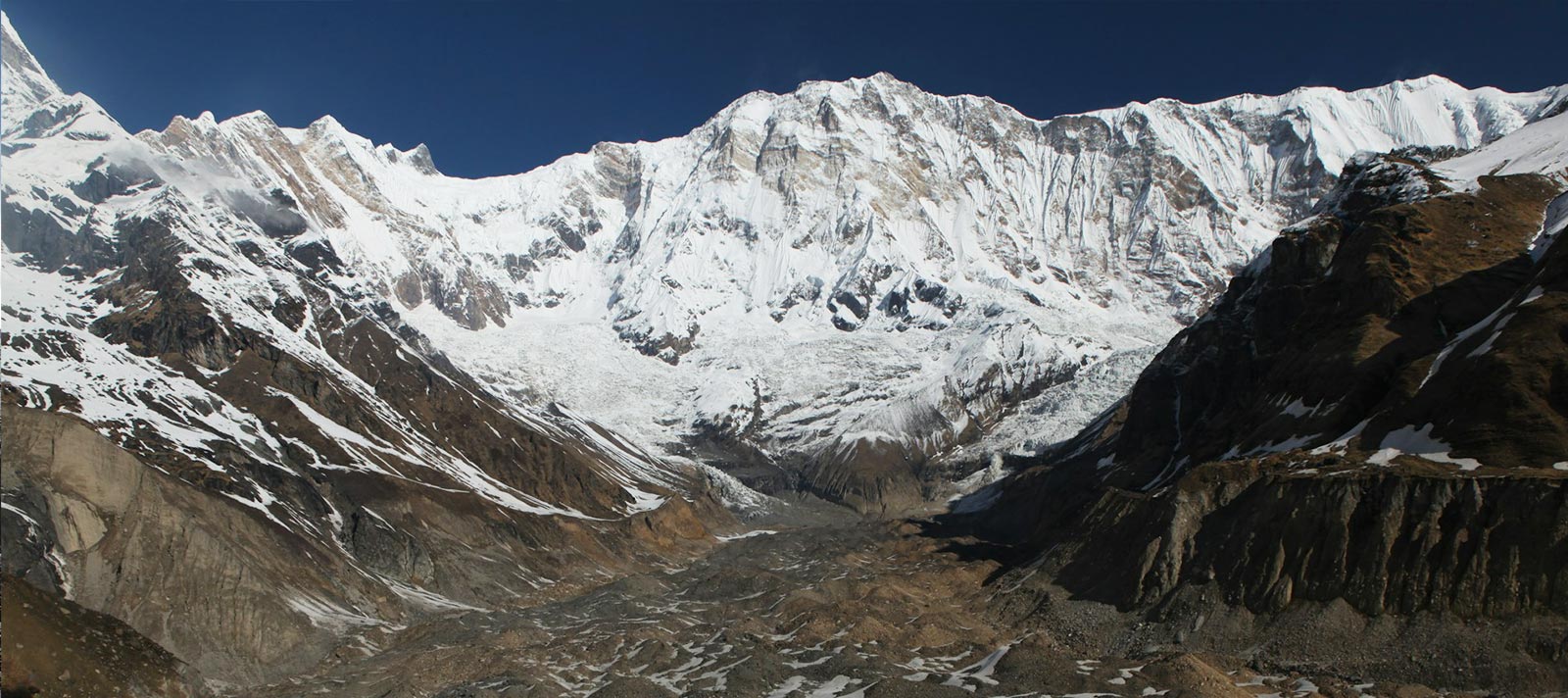
Trekking to Annapurna Base Camp (ABC) offers one of the most rewarding Himalayan experiences, with breathtaking mountain views and rich cultural encounters. However, as the trail climbs to elevations above 4,000 meters (13,000 feet), altitude sickness becomes a significant concern for many trekkers. Understanding the risk of altitude sickness on the Annapurna Base Camp Trek and knowing how to prevent it is essential to ensure a safe and enjoyable journey.
Table of Contents
In this detailed guide, we’ll explore what altitude sickness is, its symptoms, risk factors specific to the Annapurna region, and practical prevention strategies. We also provide local insights about acclimatization stops, ideal trekking seasons, and the importance of trekking responsibly. Whether you are a first-time trekker or an experienced adventurer, this information is vital for preparing your Annapurna Base Camp Trek.
Learn more about the trek at our Annapurna Base Camp Trek page.
What is Altitude Sickness?
Altitude sickness, medically known as Acute Mountain Sickness (AMS), occurs when your body struggles to adapt to lower oxygen levels at high altitudes. As you ascend above 2,500 meters (8,200 feet), the oxygen concentration decreases, which can cause physical symptoms ranging from mild discomfort to life-threatening conditions if left untreated.
Common Symptoms of Altitude Sickness on Annapurna Base Camp Trek
Recognizing symptoms early is crucial for effective management. Common signs include:
-
Headache
-
Nausea and vomiting
-
Dizziness or lightheadedness
-
Fatigue or weakness
-
Shortness of breath
-
Difficulty sleeping
-
Loss of appetite
If symptoms worsen to severe headache, confusion, difficulty walking, or persistent vomiting, it may indicate High Altitude Cerebral Edema (HACE) or High Altitude Pulmonary Edema (HAPE) — emergencies that require immediate descent and medical attention.
Why Is Altitude Sickness a Risk on the Annapurna Base Camp Trek?
The Annapurna Base Camp Trek gradually ascends from about 1,000 meters at Nayapul to over 4,100 meters at ABC. While this gradual climb helps with acclimatization, trekkers can still experience altitude sickness because:
-
The maximum altitude at ABC is relatively high, exposing trekkers to thinner air.
-
Many trekkers attempt the route in a short time, reducing acclimatization opportunities.
-
Physical exertion combined with low oxygen levels strains the body.
-
Weather and temperature fluctuations can add stress.
However, with the right preparation, awareness, and pacing, altitude sickness can be largely avoided.
How to Prevent Altitude Sickness on the Annapurna Base Camp Trek
1. Ascend Gradually
One of the most effective preventive measures is to maintain a slow and steady ascent. Allow your body time to adjust by:
-
Incorporating rest days for acclimatization, especially between 2,500 and 3,500 meters.
-
Avoiding rapid altitude gain of more than 300-500 meters per day once above 3,000 meters.
2. Stay Hydrated
Dehydration can worsen symptoms. Drink at least 3 liters of water daily to help your body acclimate.
3. Avoid Alcohol and Smoking
These can impair your body’s oxygen absorption and exacerbate altitude sickness symptoms.
4. Eat Light, Balanced Meals
Maintaining energy levels with easily digestible food helps your body cope with physical stress.
5. Listen to Your Body
If symptoms appear, don’t push forward. Rest or descend if symptoms worsen.
6. Medication
Some trekkers use preventive medication such as acetazolamide (Diamox). Consult with a healthcare provider before your trek.
Acclimatization Stops and Itinerary Tips
Our recommended itinerary for the Annapurna Base Camp Trek includes planned acclimatization days to reduce altitude sickness risk:
-
Rest or light activity days at Ghorepani (around 2,850m), which also allows a side trip to Poon Hill for spectacular sunrise views.
-
Gradual climb from Chhomrong to Bamboo to Deurali, providing incremental altitude gain.
-
Optional acclimatization day at Machapuchare Base Camp (MBC) or Deurali before ascending to Annapurna Base Camp.
Such pacing maximizes safety and trekking enjoyment.
Best Seasons to Minimize Altitude Sickness Risks
The optimal trekking seasons for the Annapurna region are:
-
Spring (March to May): Moderate temperatures and clear skies aid acclimatization.
-
Autumn (September to November): Stable weather and crisp air provide excellent conditions.
Avoiding the monsoon season reduces the risk of slippery trails and infections, which can compound altitude-related problems.
What to Do If You Experience Altitude Sickness
If mild symptoms develop:
-
Stop ascending and rest.
-
Stay hydrated and eat lightly.
-
Inform your guide or trekking company immediately.
For moderate to severe symptoms:
-
Descend immediately to a lower altitude.
-
Seek medical help at the nearest health post.
-
In emergencies, use supplemental oxygen if available.
Our guides from Sole Encounters Trekking are trained to recognize altitude sickness symptoms and will prioritize your safety throughout the trek.
Why Choose Sole Encounters Trekking for Your Annapurna Base Camp Trek?
Choosing a reputable trekking company ensures expert guidance and support in managing altitude sickness risks. Sole Encounters Trekking offers:
-
Experienced local guides knowledgeable about altitude acclimatization.
-
Customized itineraries that incorporate acclimatization days.
-
24/7 emergency support and communication.
-
Assistance with permits, logistics, and health precautions.
Start planning your Annapurna Base Camp adventure with us at our Annapurna Base Camp Trek page or Talk to Our Experts.
Conclusion
Altitude sickness is a real but manageable risk on the Annapurna Base Camp Trek. With proper preparation, paced acclimatization, hydration, and awareness of symptoms, you can greatly reduce the chances of illness and enjoy a safe, unforgettable Himalayan trek.
For personalized advice or any concerns about altitude sickness and your trek, don’t hesitate to Contact Us.
Your journey to the heart of the Annapurna region begins with knowledge and preparation. Trek smart and embrace the majestic Himalayas with confidence.
Recent Posts
.jpg)
3rd Jul, 2025
.jpg)
4th Jul, 2025
.jpg)
4th Jul, 2025
.jpg)
7th Jul, 2025
.jpg)
8th Jul, 2025
.jpg)
8th Jul, 2025
.jpg)
8th Jul, 2025

10th Jul, 2025